
Unveiling Germany: Forests, Crafts, and Intangible Heritage
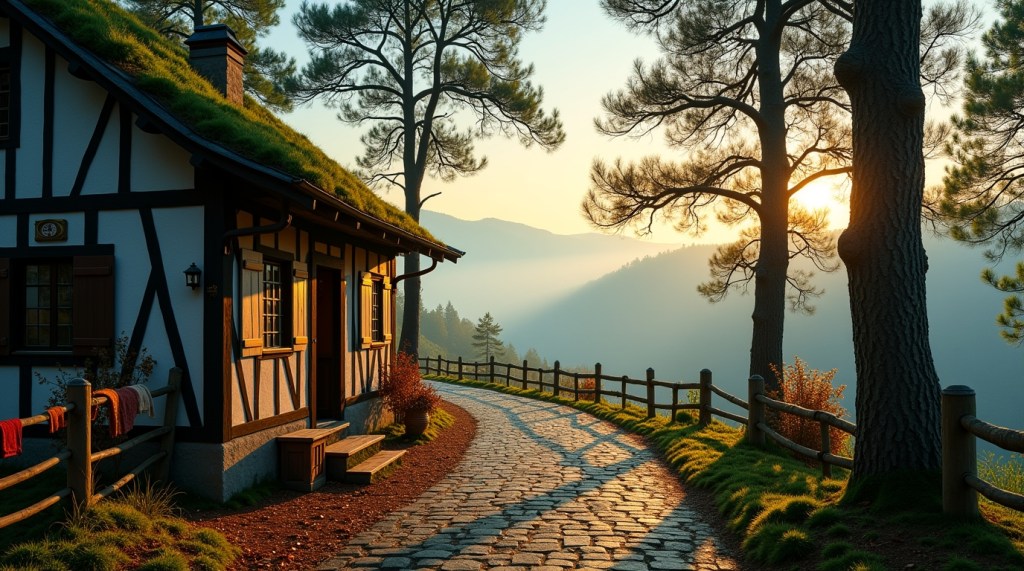
Germany is a country of forests and firelight, where stories are carved in oak, sung in shadow, and carried in cloth. In the deep green of the Black Forest, myths rise with the mist — tales not written but whispered between trees and time. Cobblestone villages still hum with old trades: woodcarvers, clockmakers, and weavers, each crafting memory into matter. In cities like Berlin, a modern rhythm beats — born of migration, recovery, and resistance, where Turkish silks and West African wax prints mingle with punk jackets and recycled denim.
“The root is stronger than the wind.”
– TZAQOL
Fun Fact!
Germany is home to more than 300 UNESCO-listed forms of intangible culture, including handweaving, brewing, and storytelling traditions.
In the Bavarian Alps, painted houses, hand-stitched wool, and winter bonfires celebrate a slower kind of time. From Schwäbisch lace to Sorbian embroidery, tradition here is not uniform — it’s regional, rooted, and proudly preserved. Spirituality is quiet — found in cathedrals, candlelit parades, forest shrines, and the sacred silence of snowfall. Germany is not just machinery and order — it is layered legacy, lived through folk design and cultural reinvention. It doesn’t ask you to look — it asks you to listen.
 Wear the World. Celebrate Culture - TZAQOL
Leave a comment